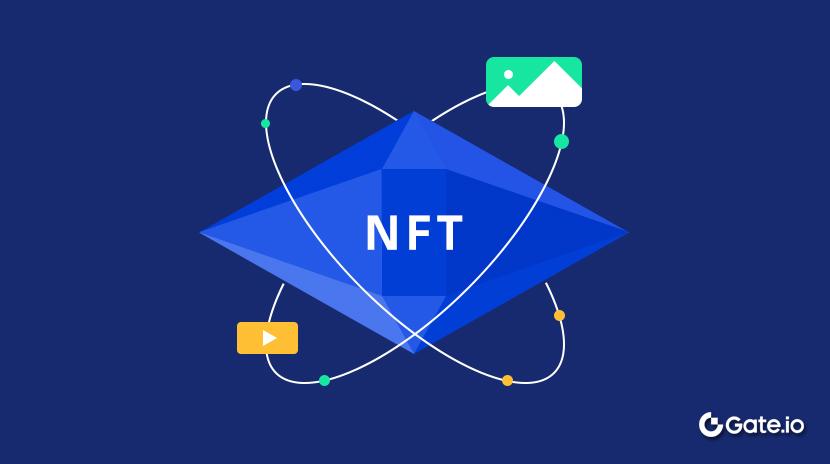
nft value

Non-fungible tokens (NFTs) are unique digital assets on blockchain that derive their value from their non-interchangeability, uniqueness, and clear ownership. Unlike fungible tokens such as cryptocurrencies, each NFT has a distinct identifier and metadata, making them particularly valuable in digital art, collectibles, and virtual assets. NFT valuation represents not only an innovative application of blockchain technology but also marks a significant breakthrough in digital asset valuation.
Market Impact of NFTs
The explosive growth of the NFT market has profoundly changed how digital content is created, distributed, and monetized. This impact is evident in several ways:
- Creator economy revolution: NFTs provide artists, musicians, and content creators with new channels to profit directly from their work, bypassing traditional intermediaries.
- Enhanced liquidity for digital assets: Through blockchain technology, NFTs enable verifiable ownership and seamless transfer of digital assets, significantly increasing their liquidity.
- Reconstruction of value perception: The emergence of NFTs has forced markets to reconsider the intrinsic value of digital assets, challenging traditional notions about the value difference between copies and original works.
- Cross-domain integration: From in-game items to virtual real estate, from social media content to sports memorabilia, NFTs are connecting digital assets across various industries.
- Expansion in investment spaces: NFTs have become part of alternative investment portfolios, attracting traditional collectors, cryptocurrency investors, and institutional funds.
Risks and Challenges of NFT Valuation
Despite the flourishing NFT market, its value assessment faces numerous complex risks and challenges:
- Non-standardized valuation metrics: The lack of recognized NFT valuation methods and standards leads to volatile and unpredictable market prices.
- Liquidity risk: Many NFTs have limited trading volume in secondary markets, and holders may face situations where they cannot sell assets at expected prices.
- Market bubble concerns: The skyrocketing prices of some NFTs may stem from speculative behavior rather than fundamental support, posing bubble risks.
- Permanence issues: While NFTs record ownership on the blockchain, the actual content they link to is typically stored externally, facing uncertainties in long-term storage and access.
- Copyright and intellectual property disputes: Copyright issues arising from the duplication and resale of digital assets have not been fully resolved, affecting the long-term stability of NFT values.
- Environmental sustainability concerns: Some blockchain networks that NFTs rely on are energy-intensive, potentially facing environmental pressure and social responsibility questions.
Future Outlook for NFT Value
The NFT value system is transitioning from speculative fever to practical utility, with future development trends including:
- Rise of utility-focused NFTs: NFTs with practical applications (such as memberships, access rights, gaming assets) will gain more sustainable value support.
- Maturation of valuation models: As the market develops, more scientific and comprehensive NFT valuation frameworks will gradually form, including multi-dimensional indicators such as scarcity, utility, and creator reputation.
- Optimization of blockchain infrastructure: More efficient, environmentally friendly blockchain solutions will reduce the costs of creating and trading NFTs, expanding application scenarios.
- Enhanced cross-platform interoperability: Interoperability standards between different blockchain networks and NFT marketplaces will gradually establish, improving asset liquidity.
- Clarity in regulatory frameworks: As regulatory bodies increase their focus on the NFT market, clearer legal frameworks will bring more certainty to the market.
- Integration of physical assets with NFTs: Traditional collectibles, real estate, and physical assets will increasingly be represented digitally through NFTs, enabling fractional ownership.
The valuation of non-fungible tokens (NFTs) is in its early stages of development, representing the frontier of digital asset valuation. As technology matures and markets become more rational, NFTs will transform from purely speculative tools into a digital asset class with multi-dimensional value. For creators, collectors, investors, and platforms, understanding the components of NFT value is crucial, not only for individual asset monetization but also for the sustainable development of the entire digital creative economy.
Related Articles
Top 10 NFT Data Platforms Overview

7 Analysis Tools for Understanding NFTs