#BitcoinETFSees7272BTCOutflow
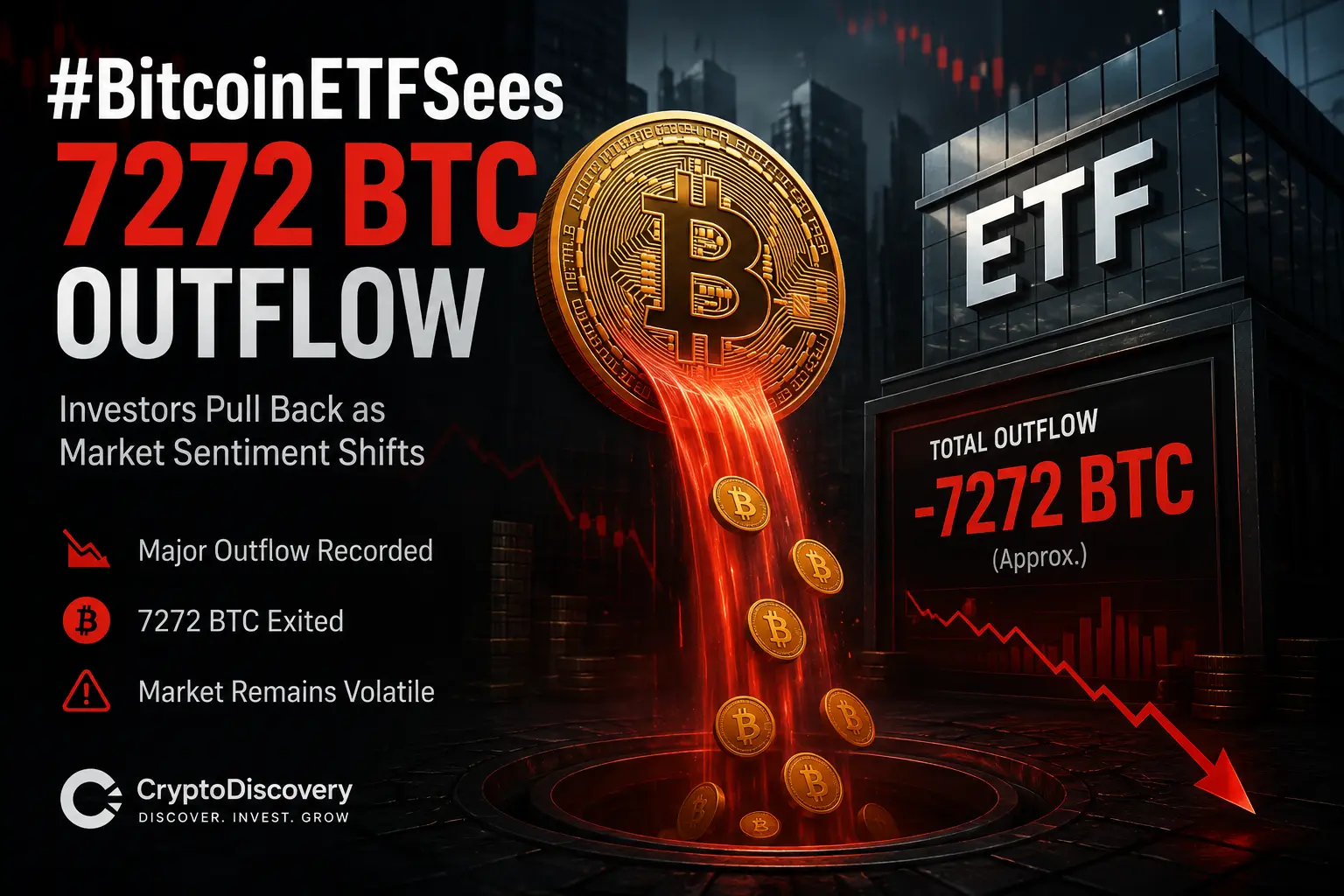
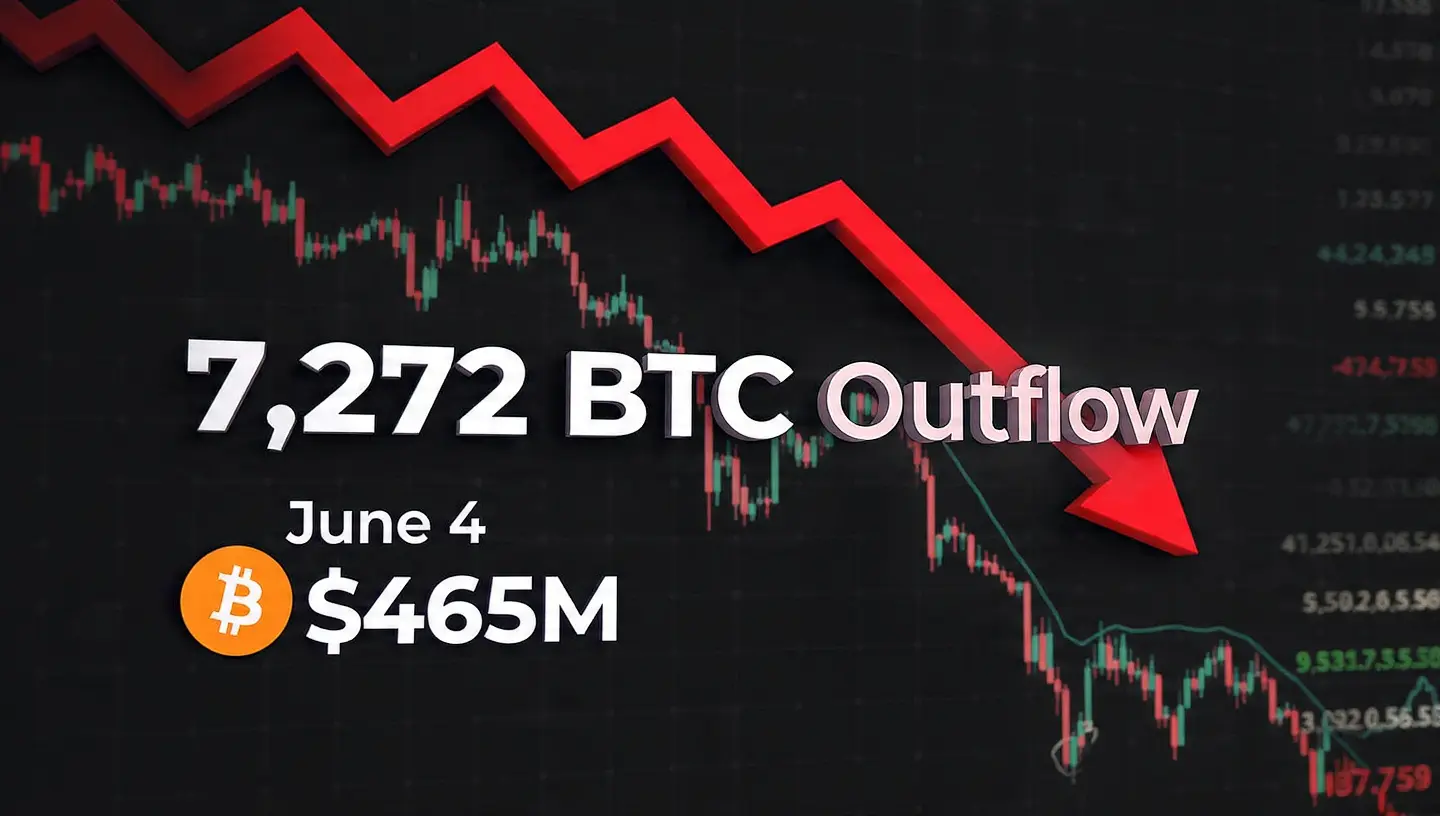
🚨 The cryptocurrency market is facing one of its most significant tests of 2026 as U.S. Spot Bitcoin ETFs recorded a massive net outflow of 7,272 BTC in a single session. While many investors focus only on Bitcoin's price movements, experienced market participants understand that capital flows often reveal the true direction of institutional sentiment. This outflow is not simply a number on a dashboard. It reflects changing risk appetite, portfolio rebalancing, macroeconomic uncertainty, and a growing competition for investor capital across global financial markets. As billions of dollars move between cryptocurrencies, artificial intelligence companies, technology stocks, government bonds, and alternative investments, Bitcoin finds itself competing for attention in an increasingly crowded investment landscape.
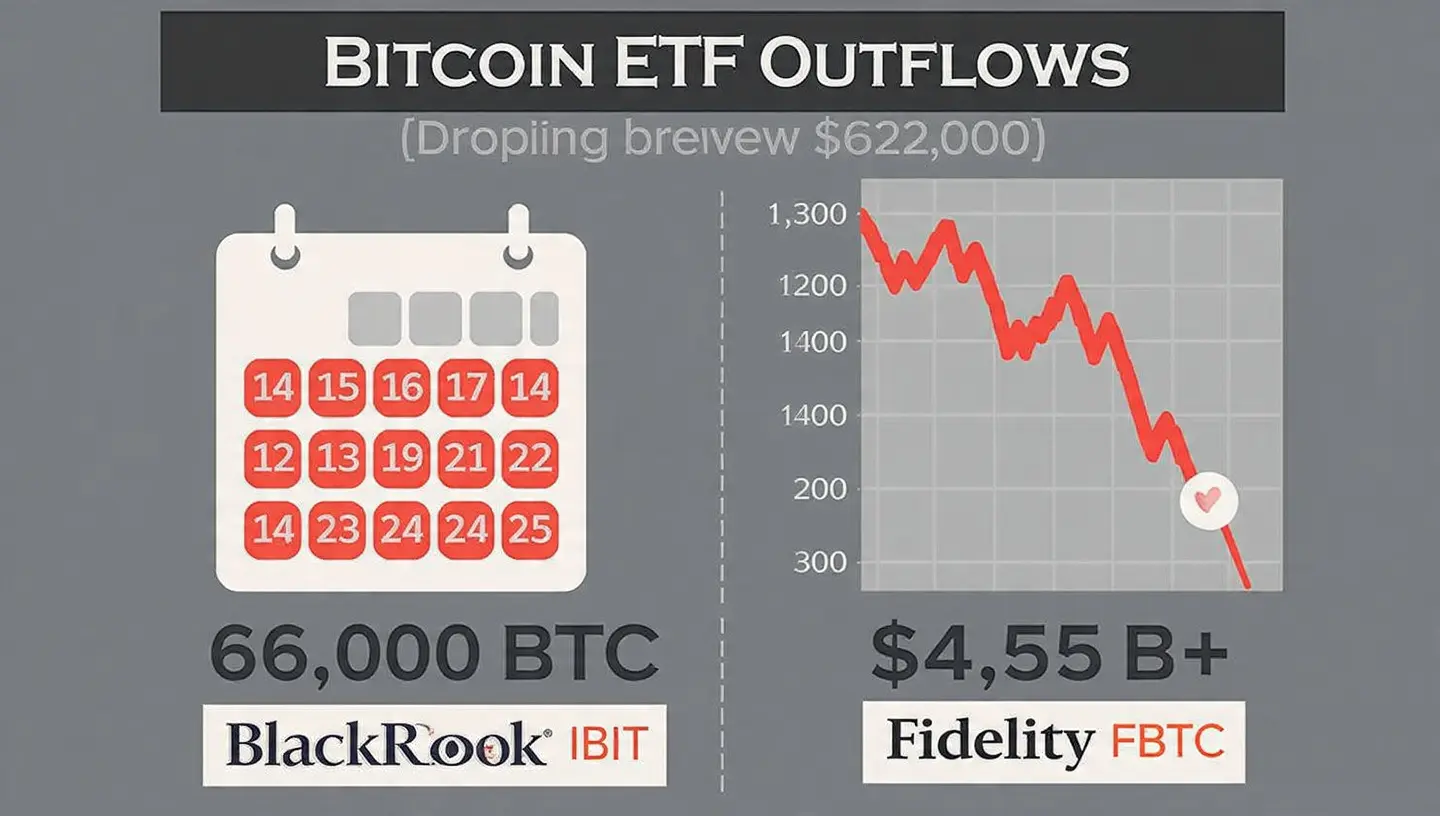
Over the past two years, Spot Bitcoin ETFs transformed the digital asset industry. They provided a regulated gateway for pension funds, asset managers, family offices, hedge funds, and traditional investors to gain exposure to Bitcoin without dealing with private keys, wallets, or self-custody risks. The launch of these products helped push Bitcoin into mainstream finance and attracted unprecedented institutional demand. Billions of dollars entered the market through ETF products, strengthening confidence and supporting higher valuations. However, the recent outflow demonstrates that institutional money is not permanent capital. Just as large inflows can accelerate rallies, large outflows can intensify corrections.
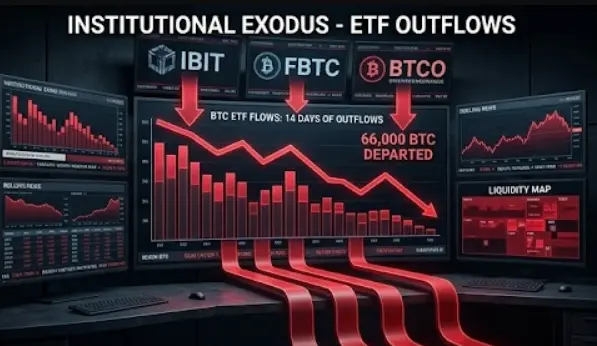
The significance of 7,272 BTC extends far beyond its face value. ETF redemptions often require fund managers to reduce underlying Bitcoin holdings, creating direct pressure on spot markets. More importantly, ETF flow data is monitored closely by institutions around the world. Large withdrawals can influence risk models, investment committee decisions, and market sentiment. When investors observe sustained outflows, confidence can weaken and caution can spread rapidly across the market. Financial markets are driven not only by liquidity but also by perception, and perception can change very quickly during periods of uncertainty.
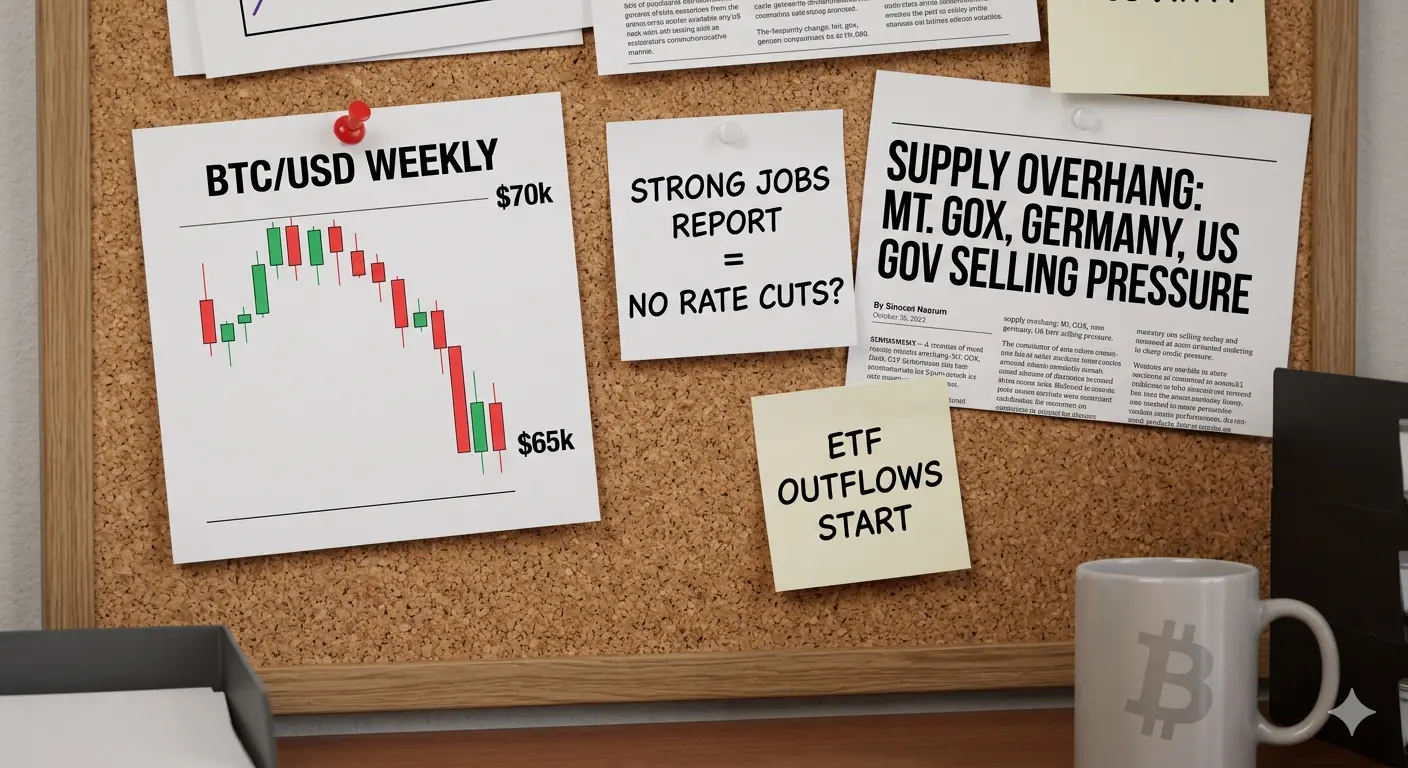
At the same time, Bitcoin is facing multiple macroeconomic challenges. Global investors continue monitoring geopolitical tensions, interest rate expectations, inflation trends, energy market volatility, and slowing economic growth in several major regions. During uncertain periods, capital often moves away from higher-risk assets toward safer alternatives. Although Bitcoin has increasingly been compared to digital gold, many institutions still classify it as a speculative asset. This means that periods of risk aversion can generate selling pressure even when Bitcoin's long-term fundamentals remain unchanged.
Another important factor influencing market behavior is the extraordinary amount of capital flowing into artificial intelligence and advanced technology sectors. Companies involved in AI infrastructure, semiconductors, cloud computing, robotics, and next-generation data centers are attracting enormous investment. Governments and corporations are spending hundreds of billions of dollars to secure computing power and build future technology ecosystems. As a result, investors are continuously evaluating where the best opportunities exist. Capital that enters AI-focused investments is capital that may not enter Bitcoin, creating additional competition for liquidity.
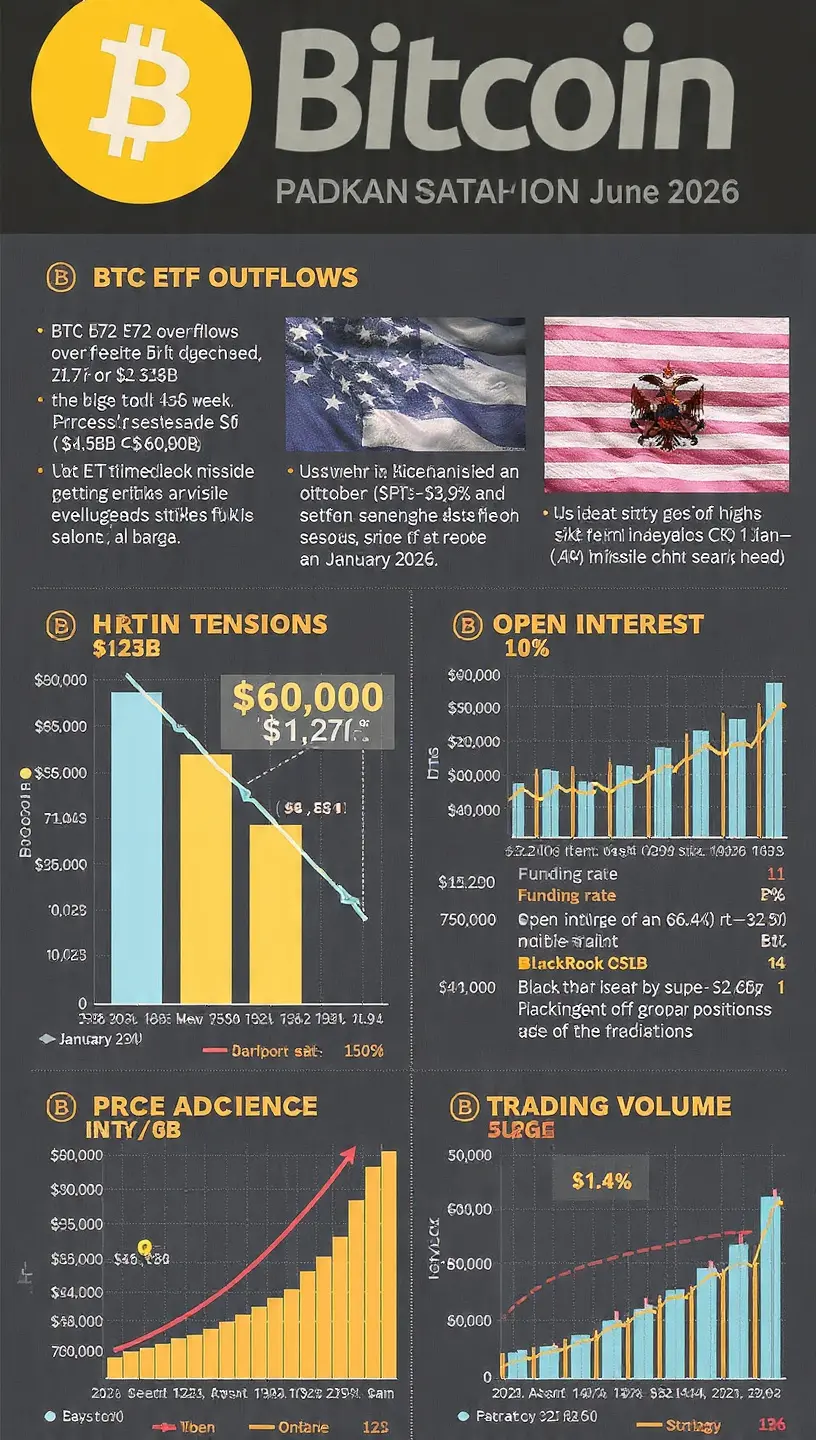
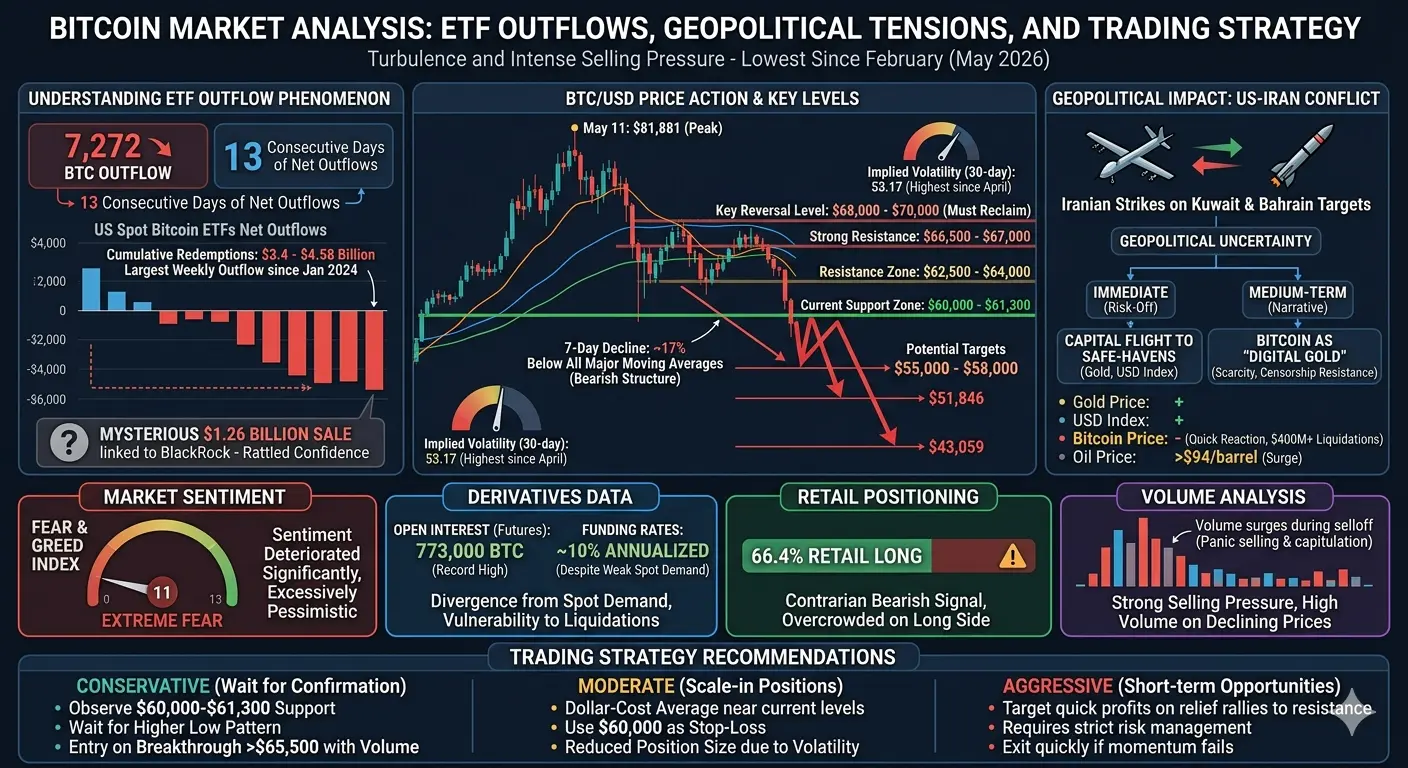
Meanwhile, derivatives markets are presenting a potential warning signal. Open interest remains elevated across Bitcoin futures markets despite weakening spot demand. Many leveraged traders continue maintaining bullish positions while ETF investors reduce exposure. This creates a fragile market structure because excessive leverage can amplify volatility. If prices continue falling, forced liquidations may create additional selling pressure and accelerate downside momentum. History has shown that periods of elevated leverage combined with weakening demand can produce sharp market moves in either direction.
Market participants are also paying close attention to major support zones. The region around $60,000 has become one of the most important psychological and technical levels in the current cycle. Investors, traders, institutions, and algorithmic systems are all monitoring this area closely. A successful defense of support could restore confidence and encourage buyers to re-enter the market. Conversely, a breakdown below key levels may trigger further selling, increase volatility, and delay any meaningful recovery attempt.
Despite the recent correction, Bitcoin's long-term foundation continues to strengthen. The network remains secure, global adoption continues expanding, institutional awareness remains significantly higher than previous cycles, and regulatory clarity is gradually improving in several jurisdictions. Financial institutions continue developing digital asset services, corporations continue exploring blockchain integration, and governments around the world are paying closer attention to the role digital assets may play within future financial systems. These developments suggest that short-term volatility should not be confused with long-term structural weakness.
Bitcoin has survived multiple periods of extreme pessimism throughout its history. From regulatory uncertainty and bear markets to global financial shocks and industry failures, the asset has repeatedly faced challenges that many believed would permanently damage its future. Yet each cycle has demonstrated Bitcoin's resilience and ability to adapt. While history does not guarantee future performance, it highlights an important reality: periods of fear often coincide with some of the most important moments in market development.
The recent 7,272 BTC ETF outflow highlights how deeply Bitcoin has become integrated into global finance. Institutional flows now influence market dynamics in ways that were impossible only a few years ago. Portfolio reallocations, macroeconomic trends, liquidity conditions, and investor psychology all play an increasingly important role in determining Bitcoin's direction. The same institutions capable of creating selling pressure today can become major sources of demand tomorrow. For now, investors remain focused on ETF flows, market liquidity, institutional positioning, and key support levels as they attempt to determine where the next major trend will emerge.
📊 Bitcoin remains one of the most closely watched assets in global finance, and the coming weeks may prove critical in determining whether the current correction evolves into a deeper decline or becomes the foundation for the market's next recovery phase.
#BitcoinETFSees7272BTCOutflow #GateSquare
🚨 The cryptocurrency market is facing one of its most significant tests of 2026 as U.S. Spot Bitcoin ETFs recorded a massive net outflow of 7,272 BTC in a single session. While many investors focus only on Bitcoin's price movements, experienced market participants understand that capital flows often reveal the true direction of institutional sentiment. This outflow is not simply a number on a dashboard. It reflects changing risk appetite, portfolio rebalancing, macroeconomic uncertainty, and a growing competition for investor capital across global financial markets. As billions of dollars move between cryptocurrencies, artificial intelligence companies, technology stocks, government bonds, and alternative investments, Bitcoin finds itself competing for attention in an increasingly crowded investment landscape.
Over the past two years, Spot Bitcoin ETFs transformed the digital asset industry. They provided a regulated gateway for pension funds, asset managers, family offices, hedge funds, and traditional investors to gain exposure to Bitcoin without dealing with private keys, wallets, or self-custody risks. The launch of these products helped push Bitcoin into mainstream finance and attracted unprecedented institutional demand. Billions of dollars entered the market through ETF products, strengthening confidence and supporting higher valuations. However, the recent outflow demonstrates that institutional money is not permanent capital. Just as large inflows can accelerate rallies, large outflows can intensify corrections.
The significance of 7,272 BTC extends far beyond its face value. ETF redemptions often require fund managers to reduce underlying Bitcoin holdings, creating direct pressure on spot markets. More importantly, ETF flow data is monitored closely by institutions around the world. Large withdrawals can influence risk models, investment committee decisions, and market sentiment. When investors observe sustained outflows, confidence can weaken and caution can spread rapidly across the market. Financial markets are driven not only by liquidity but also by perception, and perception can change very quickly during periods of uncertainty.
At the same time, Bitcoin is facing multiple macroeconomic challenges. Global investors continue monitoring geopolitical tensions, interest rate expectations, inflation trends, energy market volatility, and slowing economic growth in several major regions. During uncertain periods, capital often moves away from higher-risk assets toward safer alternatives. Although Bitcoin has increasingly been compared to digital gold, many institutions still classify it as a speculative asset. This means that periods of risk aversion can generate selling pressure even when Bitcoin's long-term fundamentals remain unchanged.
Another important factor influencing market behavior is the extraordinary amount of capital flowing into artificial intelligence and advanced technology sectors. Companies involved in AI infrastructure, semiconductors, cloud computing, robotics, and next-generation data centers are attracting enormous investment. Governments and corporations are spending hundreds of billions of dollars to secure computing power and build future technology ecosystems. As a result, investors are continuously evaluating where the best opportunities exist. Capital that enters AI-focused investments is capital that may not enter Bitcoin, creating additional competition for liquidity.
Meanwhile, derivatives markets are presenting a potential warning signal. Open interest remains elevated across Bitcoin futures markets despite weakening spot demand. Many leveraged traders continue maintaining bullish positions while ETF investors reduce exposure. This creates a fragile market structure because excessive leverage can amplify volatility. If prices continue falling, forced liquidations may create additional selling pressure and accelerate downside momentum. History has shown that periods of elevated leverage combined with weakening demand can produce sharp market moves in either direction.
Market participants are also paying close attention to major support zones. The region around $60,000 has become one of the most important psychological and technical levels in the current cycle. Investors, traders, institutions, and algorithmic systems are all monitoring this area closely. A successful defense of support could restore confidence and encourage buyers to re-enter the market. Conversely, a breakdown below key levels may trigger further selling, increase volatility, and delay any meaningful recovery attempt.
Despite the recent correction, Bitcoin's long-term foundation continues to strengthen. The network remains secure, global adoption continues expanding, institutional awareness remains significantly higher than previous cycles, and regulatory clarity is gradually improving in several jurisdictions. Financial institutions continue developing digital asset services, corporations continue exploring blockchain integration, and governments around the world are paying closer attention to the role digital assets may play within future financial systems. These developments suggest that short-term volatility should not be confused with long-term structural weakness.
Bitcoin has survived multiple periods of extreme pessimism throughout its history. From regulatory uncertainty and bear markets to global financial shocks and industry failures, the asset has repeatedly faced challenges that many believed would permanently damage its future. Yet each cycle has demonstrated Bitcoin's resilience and ability to adapt. While history does not guarantee future performance, it highlights an important reality: periods of fear often coincide with some of the most important moments in market development.
The recent 7,272 BTC ETF outflow highlights how deeply Bitcoin has become integrated into global finance. Institutional flows now influence market dynamics in ways that were impossible only a few years ago. Portfolio reallocations, macroeconomic trends, liquidity conditions, and investor psychology all play an increasingly important role in determining Bitcoin's direction. The same institutions capable of creating selling pressure today can become major sources of demand tomorrow. For now, investors remain focused on ETF flows, market liquidity, institutional positioning, and key support levels as they attempt to determine where the next major trend will emerge.
📊 Bitcoin remains one of the most closely watched assets in global finance, and the coming weeks may prove critical in determining whether the current correction evolves into a deeper decline or becomes the foundation for the market's next recovery phase.
#BitcoinETFSees7272BTCOutflow #GateSquare