





#USRevokesIranOilWaiver
The revocation of the U.S. general license permitting Iranian oil sales has become one of the most important macroeconomic developments of 2026. While the cryptocurrency market has recently focused on improving inflation data, softer labor market conditions, and expectations of a more accommodative Federal Reserve, the sudden escalation in geopolitical tensions has introduced a completely different variable that could reshape market expectations during the second half of the year.
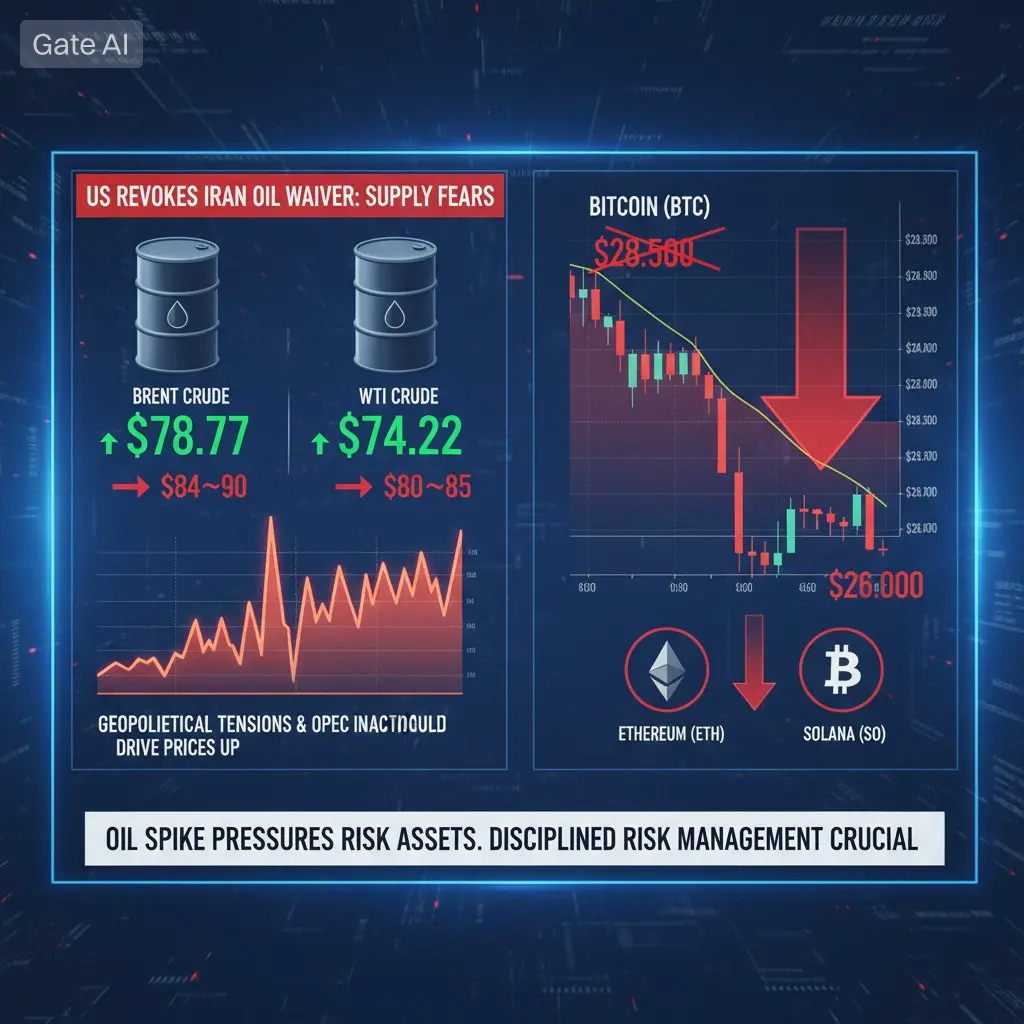
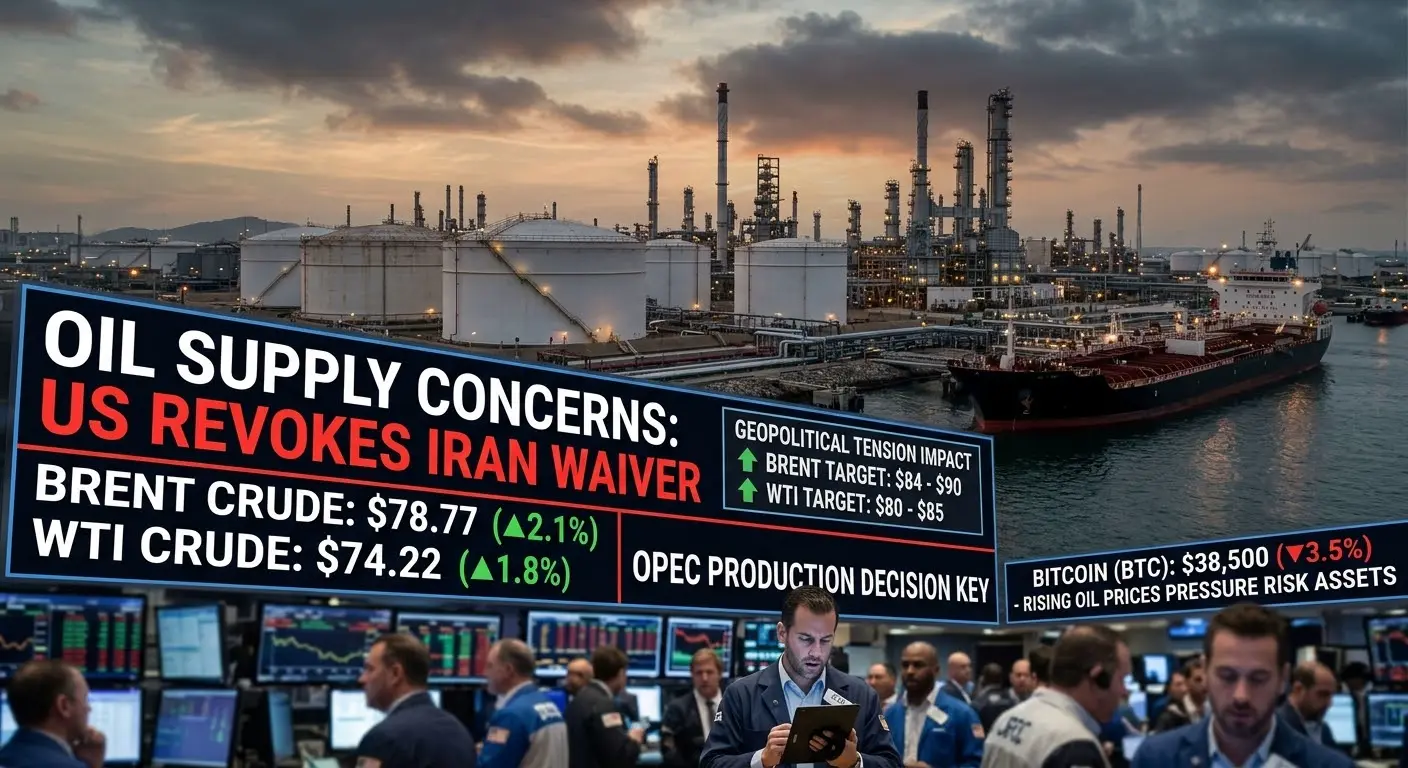
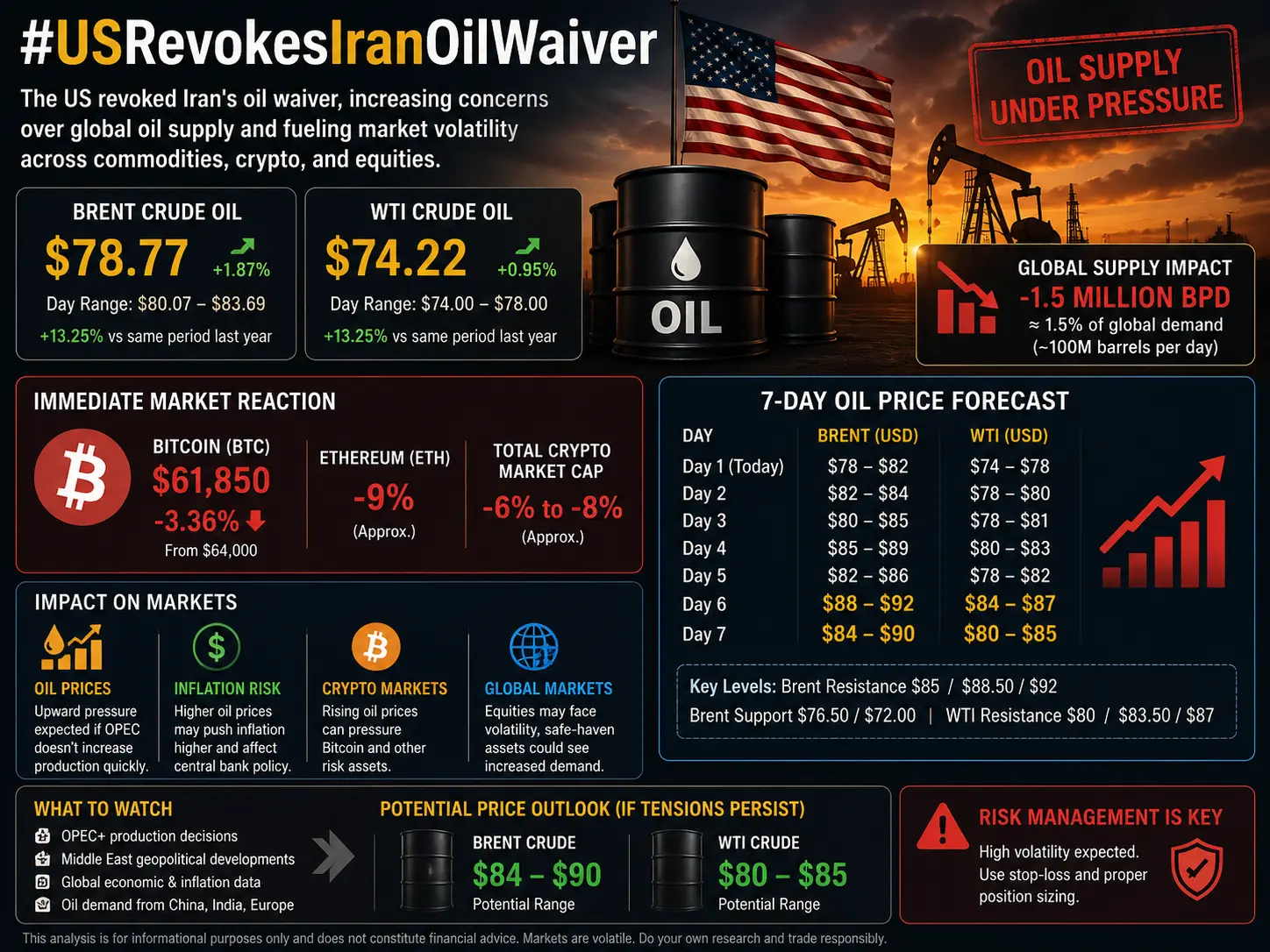
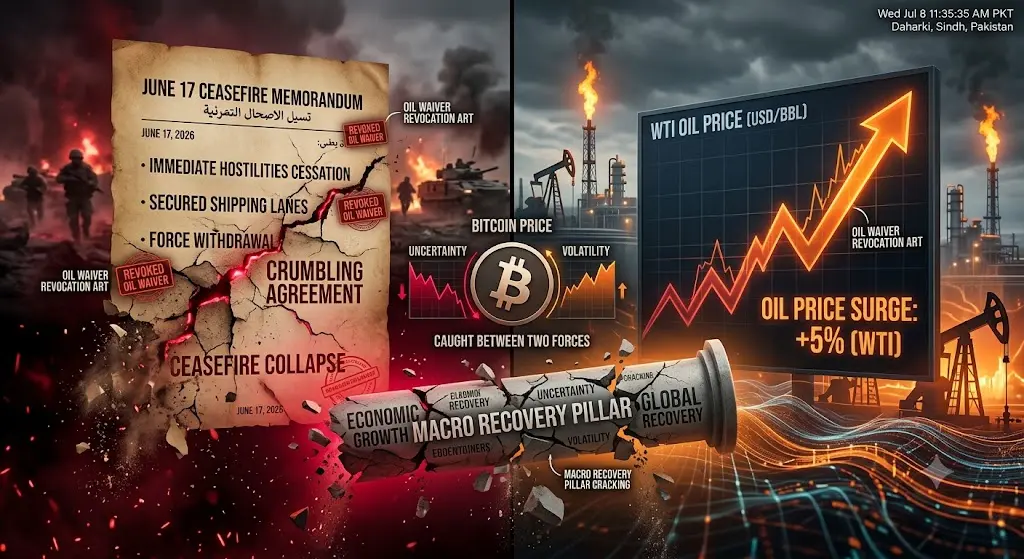
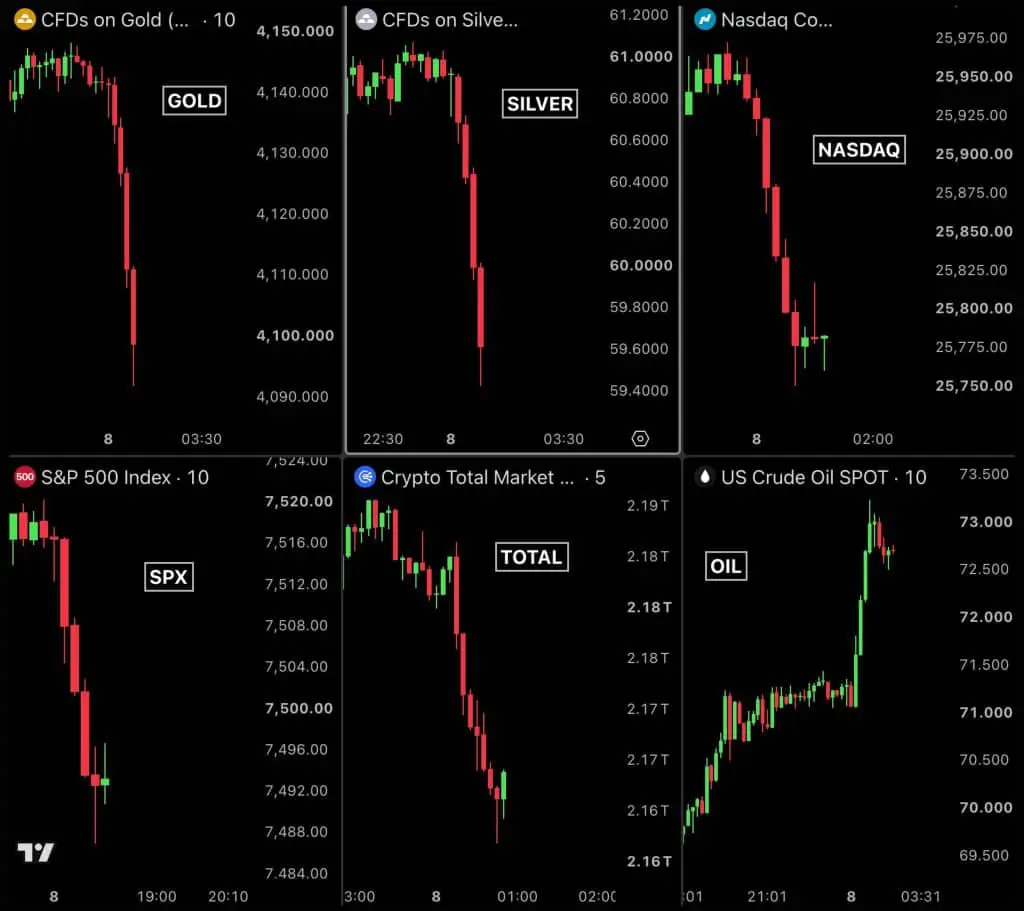
The U.S. Treasury's decision to terminate the Iranian oil waiver, effective July 7 with only a short wind-down period ending on July 17, immediately changed the global energy outlook. At the same time, renewed military tensions in the Strait of Hormuz significantly increased fears of supply disruptions. Financial markets reacted instantly as both WTI and Brent crude recorded their strongest single-session gains of the year, rising by more than five percent. This move reflects far more than temporary volatility. It represents a rapid repricing of geopolitical risk across global commodity markets.
Oil remains one of the most influential inputs for global inflation. Higher crude prices eventually filter through transportation costs, manufacturing expenses, logistics, aviation, shipping, agriculture, and consumer energy bills. These higher costs ultimately appear in Consumer Price Index (CPI) and Personal Consumption Expenditures (PCE) data several weeks later. As a result, what initially appears to be an energy market story quickly becomes a monetary policy story.
Only weeks ago, the macro environment looked increasingly supportive for risk assets. A weaker labor market reduced expectations for aggressive monetary tightening. Falling energy prices suggested that inflation could continue moderating. At the same time, a softer U.S. Dollar Index improved global liquidity conditions, encouraging investors to allocate capital toward higher-risk assets including Bitcoin and the broader digital asset market.
Those favorable conditions helped support Bitcoin's recovery from recent lows. Investors began pricing in the possibility that inflation was gradually coming under control and that monetary policy uncertainty would ease during the second half of the year.
The latest developments challenge that assumption.
If crude oil remains elevated throughout July, inflation expectations may begin moving higher again. Even if core inflation remains relatively stable, persistently higher energy prices can significantly affect headline inflation, forcing policymakers to remain cautious. Financial markets understand this relationship well, which explains why oil, bond yields, the U.S. dollar, and cryptocurrencies often react simultaneously during periods of geopolitical stress.
The July 17 deadline has therefore become one of the most important dates for global markets.
The first possible outcome is a diplomatic breakthrough. Direct negotiations or indirect mediation could eventually produce an agreement that allows Iranian oil exports to continue in some form. Under this scenario, oil prices would likely retrace a significant portion of their recent gains, inflation expectations would stabilize, Treasury yields could ease, and risk assets including Bitcoin would benefit from improving macro sentiment.
The second possibility is considerably more disruptive. If negotiations fail and Iranian oil exports decline materially after the wind-down period expires, global crude supply would tighten further. WTI moving toward the $85-$90 range would no longer appear unrealistic. Such a move would strengthen inflation concerns, reinforce demand for traditional safe-haven assets, and potentially delay any expectations of easier monetary policy.
This explains why markets are closely watching not only oil prices but also every headline related to diplomatic negotiations, military developments, and shipping activity in the Strait of Hormuz. These events now carry implications extending far beyond the energy sector.
For cryptocurrency investors, this environment demands patience rather than emotion. Bitcoin has demonstrated notable resilience despite the recent oil shock, indicating that institutional participation remains constructive. However, resilience should not be mistaken for immunity. Digital assets continue to trade within a broader macro framework where inflation expectations, Federal Reserve policy, Treasury yields, and U.S. dollar strength remain major drivers of capital flows.
The interaction between energy markets and digital assets is becoming increasingly important. Rising oil prices can strengthen inflation expectations, inflation influences central bank policy, policy affects liquidity conditions, and liquidity remains one of the primary forces behind cryptocurrency valuations. Understanding this chain of events is essential for anyone attempting to navigate today's financial markets.
Rather than focusing solely on short-term price fluctuations, investors should monitor several key indicators over the coming weeks: crude oil prices, diplomatic developments before July 17, inflation expectations, Treasury yields, the U.S. Dollar Index, and Federal Reserve communication ahead of the July FOMC meeting. Together, these factors will likely determine whether the recent crypto recovery evolves into a sustainable uptrend or encounters another period of macro-driven volatility.
The coming days may ultimately determine whether geopolitical risks fade into the background or become the defining macro narrative of the summer. Until greater clarity emerges, disciplined risk management, careful observation of macroeconomic data, and a long-term investment perspective remain the most valuable tools available to market participants.
#GateSquare
The revocation of the U.S. general license permitting Iranian oil sales has become one of the most important macroeconomic developments of 2026. While the cryptocurrency market has recently focused on improving inflation data, softer labor market conditions, and expectations of a more accommodative Federal Reserve, the sudden escalation in geopolitical tensions has introduced a completely different variable that could reshape market expectations during the second half of the year.
The U.S. Treasury's decision to terminate the Iranian oil waiver, effective July 7 with only a short wind-down period ending on July 17, immediately changed the global energy outlook. At the same time, renewed military tensions in the Strait of Hormuz significantly increased fears of supply disruptions. Financial markets reacted instantly as both WTI and Brent crude recorded their strongest single-session gains of the year, rising by more than five percent. This move reflects far more than temporary volatility. It represents a rapid repricing of geopolitical risk across global commodity markets.
Oil remains one of the most influential inputs for global inflation. Higher crude prices eventually filter through transportation costs, manufacturing expenses, logistics, aviation, shipping, agriculture, and consumer energy bills. These higher costs ultimately appear in Consumer Price Index (CPI) and Personal Consumption Expenditures (PCE) data several weeks later. As a result, what initially appears to be an energy market story quickly becomes a monetary policy story.
Only weeks ago, the macro environment looked increasingly supportive for risk assets. A weaker labor market reduced expectations for aggressive monetary tightening. Falling energy prices suggested that inflation could continue moderating. At the same time, a softer U.S. Dollar Index improved global liquidity conditions, encouraging investors to allocate capital toward higher-risk assets including Bitcoin and the broader digital asset market.
Those favorable conditions helped support Bitcoin's recovery from recent lows. Investors began pricing in the possibility that inflation was gradually coming under control and that monetary policy uncertainty would ease during the second half of the year.
The latest developments challenge that assumption.
If crude oil remains elevated throughout July, inflation expectations may begin moving higher again. Even if core inflation remains relatively stable, persistently higher energy prices can significantly affect headline inflation, forcing policymakers to remain cautious. Financial markets understand this relationship well, which explains why oil, bond yields, the U.S. dollar, and cryptocurrencies often react simultaneously during periods of geopolitical stress.
The July 17 deadline has therefore become one of the most important dates for global markets.
The first possible outcome is a diplomatic breakthrough. Direct negotiations or indirect mediation could eventually produce an agreement that allows Iranian oil exports to continue in some form. Under this scenario, oil prices would likely retrace a significant portion of their recent gains, inflation expectations would stabilize, Treasury yields could ease, and risk assets including Bitcoin would benefit from improving macro sentiment.
The second possibility is considerably more disruptive. If negotiations fail and Iranian oil exports decline materially after the wind-down period expires, global crude supply would tighten further. WTI moving toward the $85-$90 range would no longer appear unrealistic. Such a move would strengthen inflation concerns, reinforce demand for traditional safe-haven assets, and potentially delay any expectations of easier monetary policy.
This explains why markets are closely watching not only oil prices but also every headline related to diplomatic negotiations, military developments, and shipping activity in the Strait of Hormuz. These events now carry implications extending far beyond the energy sector.
For cryptocurrency investors, this environment demands patience rather than emotion. Bitcoin has demonstrated notable resilience despite the recent oil shock, indicating that institutional participation remains constructive. However, resilience should not be mistaken for immunity. Digital assets continue to trade within a broader macro framework where inflation expectations, Federal Reserve policy, Treasury yields, and U.S. dollar strength remain major drivers of capital flows.
The interaction between energy markets and digital assets is becoming increasingly important. Rising oil prices can strengthen inflation expectations, inflation influences central bank policy, policy affects liquidity conditions, and liquidity remains one of the primary forces behind cryptocurrency valuations. Understanding this chain of events is essential for anyone attempting to navigate today's financial markets.
Rather than focusing solely on short-term price fluctuations, investors should monitor several key indicators over the coming weeks: crude oil prices, diplomatic developments before July 17, inflation expectations, Treasury yields, the U.S. Dollar Index, and Federal Reserve communication ahead of the July FOMC meeting. Together, these factors will likely determine whether the recent crypto recovery evolves into a sustainable uptrend or encounters another period of macro-driven volatility.
The coming days may ultimately determine whether geopolitical risks fade into the background or become the defining macro narrative of the summer. Until greater clarity emerges, disciplined risk management, careful observation of macroeconomic data, and a long-term investment perspective remain the most valuable tools available to market participants.
#GateSquare