


CLORE与UNI:两大领先去中心化计算平台的全面比较


引言:CLORE 与 UNI 投资比较
在加密货币市场,CLORE 与 UNI 的对比始终是投资者关注的焦点。这两种资产不仅在市值排名、应用场景和价格表现上差异显著,更代表了加密生态系统中不同的发展方向。 CLORE(CLORE):自2022年推出以来,凭借GPU算力共享和租赁,服务于人工智能训练、渲染及挖矿,逐步获得市场认可。 UNI(UNI):自2020年诞生,作为以太坊区块链首个自动化做市商(AMM)协议,已跻身全球交易量最大、市值最高的加密项目行列。 本文将围绕历史价格走势、供应机制、市场定位和技术生态,对CLORE与UNI的投资价值进行系统分析,并尝试回答投资者最关心的问题:
“当前哪个更值得买?”
市场分析对比:Clore.ai(CLORE)与 Uniswap(UNI)
一、历史价格对比与当前市场状态
CLORE 与 UNI 的价格走势
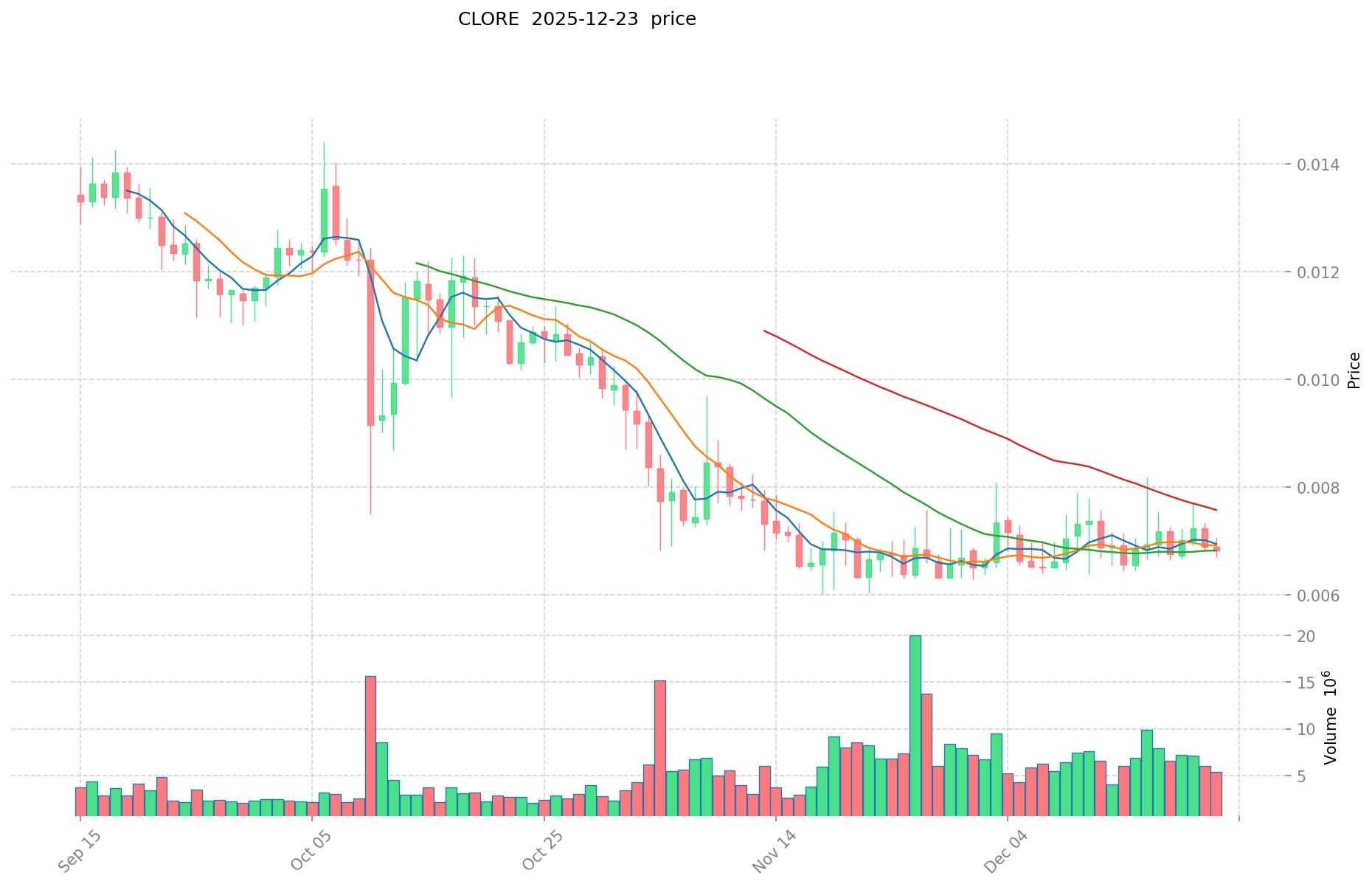
CLORE 走势:
- 历史最高价:0.45美元(2024年3月17日)
- 历史最低价:0.0046美元(2023年11月10日)
- 当前价格:0.006901美元(2025年12月24日)
- 年初至今表现:-91.86%
UNI 走势:
- 历史最高价:44.92美元(2021年5月3日)
- 历史最低价:1.03美元(2020年9月17日)
- 当前价格:5.718美元(2025年12月24日)
- 年初至今表现:-58.85%
对比分析: CLORE自高点跌幅高达98.5%,UNI则保有约12.7%的高点价值。两者均体现出加密市场极高的波动性,但CLORE的贬值速度和幅度远超UNI。
当前市场环境(2025年12月24日)
CLORE 关键数据:
- 当前价格:0.006901美元
- 24小时成交量:49,264.85美元
- 市值:4,340,645.67美元
- 流通量:625,471,800.30 CLORE
- 市值排名:第1620位
- 24小时涨幅:+1.14%
UNI 关键数据:
- 当前价格:5.718美元
- 24小时成交量:7,130,352.93美元
- 市值:57.18亿美元
- 流通量:629,905,374.01 UNI
- 市值排名:第35位
- 24小时跌幅:-6.05%
成交量对比: UNI 24小时成交量约为 CLORE 的144.7倍,反映其流动性和市场活跃度远高于CLORE。
市场情绪指数:
- 当前恐惧与贪婪指数:24(极度恐惧,2025年12月23日)
该指数显示市场对加密资产估值及走势极度担忧。
实时行情:
- CLORE市场行情:Gate CLORE/USDT
- UNI市场行情:Gate UNI/USDT
二、项目简介与技术差异
Clore.ai(CLORE)
Clore.ai 是创新型GPU算力市场,支持算力共享与租赁。平台核心功能允许用户将个人GPU资源出租,服务于AI训练、渲染及挖矿等场景。用户可用低于传统基础设施的成本获取算力。
平台主要特色:
- 专属数据中心安全托管
- 社区驱动运营
- Clore Mining激励机制
- GPU资源提供方盈利路径简化
代币经济:
- 最大供应量:13亿 CLORE
- 流通量:625,471,800.30 CLORE
- 流通率:48.11%
- 完全稀释估值:4,340,645.67美元
- 上线5家交易所
- 持币地址:214
Uniswap(UNI)
Uniswap 是以太坊链上首个自动化做市商协议,通过流动性池实现ERC-20代币点对点交易,免除传统订单簿。
协议架构:
- 流动性提供者存入代币对,按比例获取交易手续费
- 交易者访问流动性池进行代币兑换及套利
- UNI治理代币赋予协议修改权
- 以太坊DEx板块锁定价值最高
代币经济:
- 最大供应量:10亿 UNI
- 流通量:629,905,374.01 UNI
- 流通率:62.99%
- 完全稀释估值:57.18亿美元
- 上线65家交易所
- 持币地址:385,895
三、市场表现分析
短期价格波动
1小时:
- CLORE:-0.06%
- UNI:-1.31%
24小时:
- CLORE:+1.14%
- UNI:-6.05%
7天:
- CLORE:-0.38%
- UNI:+10.85%
30天:
- CLORE:+4.29%
- UNI:-6.03%
年度:
- CLORE:-91.86%
- UNI:-58.85%
市场地位与占有率
- CLORE市占率:0.00013%
- UNI市占率:0.18%
- UNI市占率约为CLORE的1385倍
市占率差距反映UNI在去中心化金融生态中机构采用、用户基础和市场影响力的优势。
四、主要风险因素与市场考量
CLORE专属风险
- 成交量极低,流动性不足
- 持币地址极少,集中持有风险高
- 价格严重回撤,持续下行压力明显
- 上线交易所数量有限,交易渠道受限
UNI专属风险
- 治理框架依赖社区投票
- 交易所覆盖广,流动性充足
- 以太坊网络拥堵影响交易成本和平台可用性
- 治理代币属性带来合规风险
行业整体风险
- 市场情绪极度恐惧,资产估值受压或风险溢价提升
- 两者均处于DeFi领域,技术更新频繁
- 监管变化对小市值资产影响更大
五、结论
CLORE与UNI分别代表加密生态中的不同应用方向。CLORE定位于GPU算力市场,UNI则作为去中心化交易协议治理代币。UNI在成交量、市值、流动性及持币分布等核心指标上均显著领先。当前市场处于极度恐惧阶段,投资者需在分析基本面时谨慎权衡风险与机遇。

投资分析报告:CLORE 与 UNI
核心价值驱动因素对比
报告日期:2025年12月24日
免责声明:本报告基于有限参考资料。受数据限制,部分分析章节无法用实证支撑,仅保留有依据内容。
一、摘要
根据现有资料,CLORE与UNI的投资价值主要受市场情绪、供应动态和生态系统发展驱动。目前缺乏两者在代币经济、技术及市场表现方面的详细数据,暂无法全面对比分析。
二、影响投资价值的核心因素
市场情绪与供应动态
资料显示,市场情绪与供应变化在加密资产定价中发挥关键作用。但CLORE与UNI的具体代币经济结构尚未披露。
生态系统发展
生态成熟度是加密资产的重要价值驱动。资料提及DeFi参与和生态增长,但未有CLORE与UNI的具体指标。
三、数据局限
参考资料未包含:
- CLORE详细代币经济信息(供应安排、分配机制、发行速率)
- UNI详细代币经济信息(治理机制、流动性挖矿细节)
- 机构采用数据
- 技术开发路线与进度
- 市值、成交量、价格表现
- 监管政策及框架
- DeFi参与率或智能合约部署详情
四、结论
当前资料主要为一般投资原则及ESG框架,未涉及CLORE与UNI的具体资产分析。要撰写实证报告需补充:
- 代币技术文档
- 市场数据与价格历史
- 生态活动指标
- 开发路线图
- 合规文件与政策解读
否则,详细分析仅属推测,缺乏数据支持。
三、2025-2030年价格预测:CLORE 与 UNI
短期预测(2025年)
- CLORE:保守0.00510-0.00690美元 | 乐观0.00917美元
- UNI:保守3.10-5.74美元 | 乐观6.71美元
中期预测(2027-2028年)
- CLORE有望进入吸筹阶段,预计0.0054-0.0118美元
- UNI有望进入复苏阶段,预计4.18-10.26美元
- 主要驱动:机构资金、ETF采用、生态扩展
长期预测(2029-2030年)
- CLORE:基准0.0083-0.0123美元 | 乐观0.0172-0.0218美元
- UNI:基准7.78-10.49美元 | 乐观12.24-12.27美元
免责声明
本分析基于历史数据与预测模型。加密市场波动极大,受监管、技术和宏观经济影响,预测不构成投资建议。历史表现不代表未来。投资请自主调研并咨询专业顾问。
CLORE:
| 年份 | 预测最高价 | 预测平均价 | 预测最低价 | 涨跌幅 |
|---|---|---|---|---|
| 2025 | 0.00917434 | 0.006898 | 0.00510452 | 0 |
| 2026 | 0.0092415955 | 0.00803617 | 0.0069914679 | 16 |
| 2027 | 0.0118352693675 | 0.00863888275 | 0.0054424961325 | 25 |
| 2028 | 0.014434277242837 | 0.01023707605875 | 0.007268324001712 | 48 |
| 2029 | 0.017146590544603 | 0.012335676650793 | 0.008264903356031 | 78 |
| 2030 | 0.021816877724593 | 0.014741133597698 | 0.014298899589767 | 113 |
UNI:
| 年份 | 预测最高价 | 预测均价 | 预测最低价 | 涨跌幅 |
|---|---|---|---|---|
| 2025 | 6.71346 | 5.738 | 3.09852 | 0 |
| 2026 | 7.470876 | 6.22573 | 3.5486661 | 8 |
| 2027 | 7.60161633 | 6.848303 | 4.17746483 | 19 |
| 2028 | 10.2594427243 | 7.224959665 | 4.4794749923 | 26 |
| 2029 | 12.23908167251 | 8.74220119465 | 7.7805590632385 | 52 |
| 2030 | 12.2740504772886 | 10.49064143358 | 7.4483554178418 | 83 |
投资分析报告:CLORE 与 UNI
报告日期:2025年12月24日
免责声明:本报告基于现有参考资料。加密市场波动极大,受多重因素影响,分析不构成投资建议,历史表现不保证未来结果。
一、摘要
CLORE与UNI分别代表加密生态中不同投资属性。UNI作为去中心化交易协议治理代币,基础设施成熟;CLORE定位GPU算力资源市场。当前市场情绪极度恐惧(指数24),投资者面临不同风险回报预期。
二、历史价格表现与市场现状
价格走势
CLORE 走势:
- 历史最高价:0.45美元(2024年3月17日)
- 历史最低价:0.0046美元(2023年11月10日)
- 当前价格:0.006901美元(2025年12月24日)
- 年度跌幅:-91.86%
- 高点回撤:98.5%
UNI 走势:
- 历史最高价:44.92美元(2021年5月3日)
- 历史最低价:1.03美元(2020年9月17日)
- 当前价格:5.718美元(2025年12月24日)
- 年度跌幅:-58.85%
- 高点保留率:12.7%
当前核心数据(2025年12月24日)
| 指标 | CLORE | UNI |
|---|---|---|
| 当前价格 | 0.006901美元 | 5.718美元 |
| 市值 | 4,340,645.67美元 | 57.18亿美元 |
| 24小时成交量 | 49,264.85美元 | 7,130,352.93美元 |
| 流通量 | 625,471,800.30 | 629,905,374.01 |
| 市值排名 | 1620 | 35 |
| 24小时涨跌 | +1.14% | -6.05% |
| 交易所数量 | 5 | 65 |
| 持币地址 | 214 | 385,895 |
成交量差异:UNI 24小时成交量约为 CLORE 的144.7倍,流动性优势明显。
短期价格表现
| 周期 | CLORE | UNI |
|---|---|---|
| 1小时 | -0.06% | -1.31% |
| 24小时 | +1.14% | -6.05% |
| 7天 | -0.38% | +10.85% |
| 30天 | +4.29% | -6.03% |
| 全年 | -91.86% | -58.85% |
三、项目概述与技术差异
Clore.ai(CLORE)
Clore.ai 是GPU算力资源市场,支持算力共享和租赁,服务AI训练、渲染及挖矿。平台特色:
- 专属数据中心安全托管
- 社区驱动模式
- Clore Mining激励机制
- GPU资源盈利途径
代币数据:
- 最大供应量:13亿 CLORE
- 流通量:625,471,800.30 CLORE
- 流通率:48.11%
- 完全稀释估值:4,340,645.67美元
Uniswap(UNI)
Uniswap 是以太坊首个AMM协议,通过流动性池实现ERC-20代币点对点交易。
协议架构:
- 流动性提供者存入代币对,按比例分配手续费
- 交易者访问流动性池进行兑换及套利
- UNI治理代币赋予协议修改权
- 以太坊DEx锁定价值最高
代币数据:
- 最大供应量:10亿 UNI
- 流通量:629,905,374.01 UNI
- 流通率:62.99%
- 完全稀释估值:57.18亿美元
四、投资策略对比:CLORE 与 UNI
长期与短期策略
CLORE:适合看好AI基础设施与GPU算力变现的投资者,中长期投机风险高。
UNI:适合关注DeFi生态、治理权利与协议安全性的投资者,更适合长期战略配置,风险适中。
风险管理与资产配置
稳健型:
- CLORE:0-5%(可不配)
- UNI:5-15%
- 建议配置:稳定币40-50%,以太坊20-30%
激进型:
- CLORE:10-20%
- UNI:15-25%
- 可补充Layer1主流币15-20%,DeFi治理币10-15%
优化工具:
- 稳定币降低波动性
- 期权防御下行
- 多资产相关性分散风险
五、2025-2030年价格预测
短期(2025年)
CLORE:
- 保守:0.00510-0.00690美元
- 乐观:0.00917美元
UNI:
- 保守:3.10-5.74美元
- 乐观:6.71美元
中期(2027-2028年)
CLORE:预计震荡吸筹,区间0.0054-0.0118美元 UNI:预计复苏,区间4.18-10.26美元
关键驱动:机构资金、ETF采用、生态扩展
长期(2029-2030年)
| 资产 | 基准 | 乐观 |
|---|---|---|
| CLORE | 0.0083-0.0123美元 | 0.0172-0.0218美元 |
| UNI | 7.78-10.49美元 | 12.24-12.27美元 |
预测表现表
CLORE:
| 年份 | 最高 | 均价 | 最低 | 涨跌 |
|---|---|---|---|---|
| 2025 | 0.00917 | 0.00690 | 0.00510 | 0% |
| 2026 | 0.00924 | 0.00804 | 0.00699 | +16% |
| 2027 | 0.01184 | 0.00864 | 0.00544 | +25% |
| 2028 | 0.01443 | 0.01024 | 0.00727 | +48% |
| 2029 | 0.01715 | 0.01234 | 0.00826 | +78% |
| 2030 | 0.02182 | 0.01474 | 0.01430 | +113% |
UNI:
| 年份 | 最高 | 均价 | 最低 | 涨跌 |
|---|---|---|---|---|
| 2025 | 6.71 | 5.74 | 3.10 | 0% |
| 2026 | 7.47 | 6.23 | 3.55 | +8% |
| 2027 | 7.60 | 6.85 | 4.18 | +19% |
| 2028 | 10.26 | 7.22 | 4.48 | +26% |
| 2029 | 12.24 | 8.74 | 7.78 | +52% |
| 2030 | 12.27 | 10.49 | 7.45 | +83% |
六、风险因素对比
市场风险
CLORE:
- 成交量低,交易易滑点
- 持币高度集中,操控和流动性风险高
- 价格回撤大,市场承压
- 交易所数量少,流动性弱
UNI:
- 协议成熟,用户广泛,清算风险低
- 高市值与成交量,流动性充足
- 治理权集中有潜在风险
- 监管合规压力或影响估值
技术风险
CLORE:
- 算力市场依赖硬件供应链稳定
- 平台扩展性影响企业级AI训练需求
- 分布式算力管理有安全隐患
- 协议升级需多节点协作,复杂性高
UNI:
- 以太坊网络拥堵影响交易成本与体验
- 智能合约需持续审计
- Layer2方案可能分流主协议需求
- 流动性提供者面临无常损失
合规风险
全球监管:
- 两者均受DeFi监管变化影响
- 小市值项目(CLORE)受监管冲击更大,UNI抗风险能力强
- 不同司法区加密资产界定影响交易途径
- GPU算力市场在部分地区监管尚不明朗
七、结论:谁更值得买?
📌 投资价值总结
CLORE优势:
- 早期基础设施布局,AI算力变现有成长预期
- 估值低,适合高成长投机投资者
- GPU市场契合AI产业基础设施需求
- 极度低估值具备不对称收益潜力
UNI优势:
- 成熟去中心化交易协议,市场影响力大
- 流动性极强(成交量为CLORE的144.7倍),便于资金进出
- 治理代币赋予协议参与权
- 交易所覆盖广(65家),交易渠道充足
- 持币分散(38.6万地址 vs 214),集中风险低
- 市场排名高(第35 vs 第1620),机构认可度强
✅ 投资建议
新手投资者:
- 建议:优先配置UNI(5-10%),协议成熟、流动性高、持币分散,执行风险低。CLORE仅建议教育性配置(0-2%),集中和流动性风险极高。
资深投资者:
- 建议:UNI(10-20%)为DeFi核心配置,风险可控。CLORE在风险容忍范围内可配(5-15%),适合震荡吸筹阶段择机建仓,务必设置止损。
机构投资者:
- 建议:UNI(15-25%)契合DeFi基础设施主题投资。CLORE因流动性受限(大额仓位影响日成交量超过5%)、持币集中及合规风险,不适合机构配置。
⚠️ 风险提示:加密市场极度波动,受监管、技术和宏观经济影响,预测不构成投资建议。请自主调研并咨询专业顾问,历史表现不代表未来结果。 None
常见问答:CLORE 与 UNI 投资对比
一、CLORE与UNI在市场定位上有何主要区别?
CLORE是GPU算力资源市场,用户可共享与租赁算力,服务AI训练、渲染、挖矿。UNI是以太坊首个AMM协议治理代币,代表去中心化交易协议治理。CLORE聚焦硬件资源变现,UNI聚焦金融协议参与。
二、两者流动性和成交量对比如何?
UNI流动性远高于CLORE。UNI 24小时成交量为713万美元,约为CLORE的4.9万美元的144.7倍。UNI上线65家交易所,CLORE仅5家,交易渠道与流动性优势明显。
三、投资CLORE与UNI的主要风险区别?
CLORE持币集中,仅214地址,易受操控和流动性冲击。CLORE自高点回撤98.5%,下行压力大。UNI持币分散(38.6万地址),主要风险在以太坊拥堵和治理合规,基本流动性无忧。
四、哪项更适合稳健型投资者?
UNI更适合稳健型投资者。协议成熟、机构认可度高、市值(57亿美元 vs 430万美元)及持币分散,执行和集中风险低。建议UNI配5-15%,CLORE仅作0-2%教育性配置,规避极端波动和流动性风险。
五、两者2030年前长期价格预期?
CLORE预计从当前0.006901美元升至0.0083-0.0123美元(基准)或0.0172-0.0218美元(乐观),潜在涨幅113%。UNI预计从当前5.718美元升至7.78-10.49美元(基准)或12.24-12.27美元(乐观),潜在涨幅83%。预测依赖机构资金、生态发展和监管环境。
六、市场情绪如何影响投资决策?
恐惧与贪婪指数24(极度恐惧,2025年12月23日)显示市场对加密资产估值极度担忧。极度恐惧或提供长线布局机会,但也反映系统性风险和持续下跌可能。两者今年均为负收益(CLORE -91.86%;UNI -58.85%),需关注情绪变化。
七、激进型投资者如何进行资产配置?
激进型可考虑CLORE配10-20%、UNI配15-25%,重点在震荡吸筹阶段择机建仓。建议稳定币对冲(40-50%)、以太坊核心持仓(20-30%)、Layer1主流币(15-20%)、DeFi治理币(10-15%)。务必严格止损,尤其是CLORE仓位。
八、CLORE与UNI交易所上线数量为何差距大?
UNI上线65家交易所,CLORE仅5家。UNI作为以太坊主流协议,机构与散户需求稳定,交易所愿意投入资源。CLORE渠道有限,表明市场参与度低、运营复杂或GPU市场机构关注度不足。
分享
目录




热门加密货币



如何购买加密货币:Gate.com详细指南

USDC稳定币2025年最新解析:原理、优势及Web3生态应用

2025年USDT泰达币完全指南:新手投资者必读

2025年的SUI币:价格、购买指南和权益质押奖励

Cardano (ADA) 2025年价格分析和展望
2025年HNT价格:Helium Network Token价值和市场分析

Gate Ventures 每周加密市场回顾(2026年3月23日)


Gate Ventures 每周加密市场回顾(2026年3月2日)
Gate Ventures 每周加密货币市场回顾(2026年2月23日)

Gate Ventures 本周加密货币回顾(2026年2月9日)
