ما هو الانهيار السريع (Flash Crash)؟
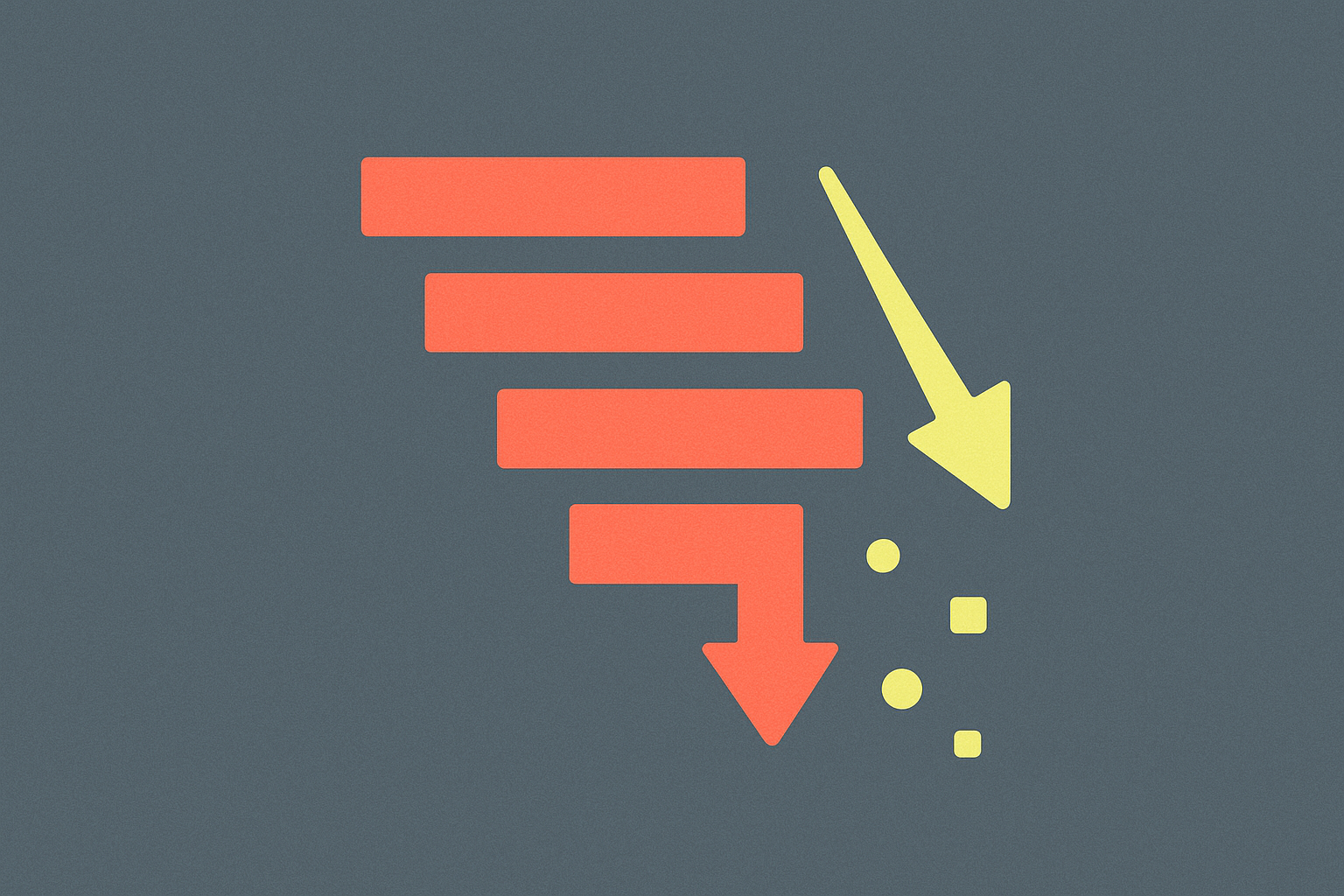
الانهيار السريع هو حدث سوقي يتسم بانخفاض الأسعار بشكل حاد وسريع خلال دقائق قليلة، وغالباً ما يرافقه ارتفاع مفاجئ في حجم التداول. وعلى عكس التراجعات اليومية المعتادة، يحدث الانهيار السريع نتيجة ضعف هيكل السوق وتفعيل محفزات متتالية، مما يؤدي إلى تقلبات شديدة.
على مخططات الأسعار، يظهر الانهيار السريع غالباً كظلال سفلية طويلة أو شموع هابطة ضخمة. تحدث هذه الحالات عادة عندما يكون عمق دفتر الأوامر منخفضاً. دفتر الأوامر—قائمة أوامر الشراء والبيع المعلقة—يصبح معرضاً للخطر أثناء ضعف السيولة، ما يسهل على أوامر البيع الكبيرة اختراق مستويات سعرية متعددة، ويؤدي إلى انخفاض حاد ومفاجئ في السعر.
لماذا تحدث الانهيارات السريعة؟
الانهيارات السريعة تحدث أساساً بسبب ضعف السيولة وتفاعلات متسلسلة. السيولة تُشبه عمق الماء: عندما يكون ضحلاً، فإن أي جسم ثقيل يخلق موجات كبيرة. في الأسواق، ضعف سيولة جانب الشراء يسمح لعمليات البيع الكبيرة أو المركزة بدفع الأسعار نحو الهبوط الحاد.
المحفز الأول يتعلق بتصفية المراكز ذات الرافعة المالية العالية. الرافعة المالية تتيح للمتداولين تضخيم مراكزهم عبر أموال مقترضة. وعندما تهبط الأسعار دون متطلبات الهامش، تحدث تصفيات إجبارية تسرّع الانخفاض وتخلق تأثيراً متسلسلاً.
المحفز الثاني هو الصدمات الإخبارية وعدم التوازن المؤقت. من الأمثلة صدور بيانات اقتصادية كبرى، إعلانات السياسات، أو أحداث كبيرة ضمن السلسلة، حيث تنشط عمليات البيع بينما ينسحب صانعو السوق مؤقتاً من توفير السيولة، ما يؤدي إلى تعديل مفاجئ في الأسعار.
المحفز الثالث يرتبط بالعوامل التقنية وقواعد التداول. في العقود الدائمة (Perpetual Contracts) التي تستخدم معدلات التمويل لموازنة المراكز، يمكن لتجمع الفائدة المفتوحة عند مستويات سعرية معينة أن يطلق تصفيات جماعية. وفي منصات AMM (صانع السوق الآلي)، قد تؤدي صفقة كبيرة واحدة إلى تحريك السعر بسرعة على المنحنى، مما يزيد الانزلاق السعري (Slippage) بين السعر المتوقع والمنفذ.
كيف يختلف الانهيار السريع بين المنصات المركزية والسلسلة؟
في المنصات المركزية، يظهر الانهيار السريع غالباً عبر اختراق دفتر الأوامر. عندما تكون أوامر الشراء قليلة في قائمة الانتظار، قد تتخطى التداولات عدة مستويات سعرية، مما ينتج فجوات سعرية وانزلاقاً ملحوظاً Slippage.
أما الانهيارات السريعة على السلسلة فتحدث غالباً في تجمعات AMM. تستخدم AMMs معادلات نسب الأصول للتسعير؛ يمكن لعملية بيع كبيرة واحدة دفع السعر بسرعة على هذا المنحنى، وتكون التأثيرات أكثر حدة في التجمعات الصغيرة. بالإضافة إلى ذلك، خلال فترات ازدحام الشبكة (ارتفاع رسوم الغاز)، قد تؤدي تأخيرات تأكيد المعاملات إلى اتساع الفجوة بين السعر المتوقع والمنفذ فعلياً.
في التطبيق العملي، غالباً ما تطبق المنصات المركزية ضوابط المخاطر مثل صناديق التأمين ونظام Auto-Deleveraging (ADL)، بينما تعتمد بيئات السلسلة أكثر على حجم التجمعات وروبوتات التصفية. العامل المشترك: ضعف السيولة يزيد من احتمال وشدة الانهيارات السريعة.
كيف يؤثر الانهيار السريع على الرافعة المالية والتصفية؟
يسرّع الانهيار السريع من تصفية المراكز ذات الرافعة المالية، حيث يؤدي هبوط الأسعار السريع إلى استنزاف الهامش. تحدث التصفية عندما يكون الهامش غير كافٍ ويقوم النظام ببيع أو إغلاق المراكز قسرياً لمنع العجز في الحساب.
في العقود الدائمة، عندما تتركز الفائدة المفتوحة (OI—إجمالي العقود القائمة) حول مستويات محددة، يمكن للهبوط السريع أن يطلق سلسلة من التصفيات، مما يعزز ضغط البيع. معدلات التمويل Funding Rates—وهي رسوم دورية بين المراكز الطويلة والقصيرة—تصبح شديدة التقلب أثناء هذه الأحداث، ما يؤثر على تكلفة الاحتفاظ بالمراكز. قد يقوم نظام ADL (Auto-Deleveraging) بتقليل أرباح المراكز الرابحة إذا كانت صناديق التأمين غير كافية، للحفاظ على استقرار النظام ككل.
على سبيل المثال، إذا استخدمت العديد من الحسابات رافعة مالية عالية بالقرب من نفس المنطقة السعرية، فإن اختراق هذه المنطقة بانهيار سريع سيؤدي إلى تصفيات متتالية، ما يزيد ضغط البيع على دفتر الأوامر ويخلق دورة هبوطية من انخفاض الأسعار، مزيد من التصفيات، وزيادة ضغط البيع.
كيف تتداول على Gate خلال الانهيار السريع
عند مواجهة انهيار سريع، المفتاح هو وضع قواعد مسبقة وتقليل تأخيرات التنفيذ. الهدف ليس اقتناص كل ارتداد، بل الحفاظ على الخسائر ضمن حدود معقولة في الظروف القصوى.
الخطوة 1: تحديد أوامر وقف الخسارة. أمر وقف الخسارة يبيع أو يغلق المركز تلقائياً عند وصول السعر إلى حد معين. في منصات التداول الفوري والمشتقات على Gate، يمكنك استخدام أوامر "وقف-حد" و"وقف-سوق" للفصل بين سعر التفعيل والتنفيذ، ما يقلل احتمال فشل الصفقات.
الخطوة 2: التحكم في الرافعة المالية. حافظ على مستويات رافعة مالية معقولة؛ وضع الهامش المعزول يوفر فصل أفضل للمخاطر من الهامش المتقاطع. على Gate، يمكنك ضبط معايير المخاطر لكل زوج تداول بشكل مستقل لتجنب تأثير تصفية واحدة على جميع المراكز.
الخطوة 3: استخدم التنفيذ الجزئي وحدود الانزلاق السعري. في التداول الفوري، قسّم أوامرك إلى دفعات أصغر؛ في المشتقات، استخدم أوامر "Maker Only" أو أوامر محددة الانزلاق لتقليل تأثير السعر في ظروف السيولة الضعيفة. الأوامر المتقدمة على Gate تدعم استراتيجيات OCO (One Cancels the Other) لإدارة أكثر دقة.
الخطوة 4: راقب دفتر الأوامر ومخطط العمق. تابع الانخفاضات المفاجئة في عمق جانب الشراء أو سحب الأوامر الكبيرة من صفحة السوق على Gate؛ فهذا يشير إلى خطر الاختراق وقد يتطلب تقليل تعرضك.
الخطوة 5: جهّز سيولة احتياطية Liquidity. حافظ على أرصدة متاحة وعملات مستقرة لاستدعاءات الهامش أو التحوط الطارئ. خلال الفترات المتقلبة، فعّل التنبيهات واستخدم أوامر اختبار صغيرة بشكل استباقي بدلاً من فتح مراكز كبيرة بشكل ارتجالي.
تحذير مخاطر: تداول المشتقات يحمل مخاطر كبيرة—قيّم قدرتك على تحمل المخاطر. حتى أوامر وقف الخسارة قد تتعرض للانزلاق أو عدم التنفيذ أثناء ضعف السيولة الشديد.
ما هي مخاطر الانهيارات السريعة؟
المخاطر المباشرة تشمل الانزلاق السعري والفجوات السعرية. الانزلاق هو الفرق بين السعر المنفذ والمخطط له، ويتضخم في دفاتر الأوامر الضعيفة—خاصة مع أوامر السوق.
بالنسبة للمشتقات، تشمل المخاطر التصفية الإجبارية والتخفيض التلقائي للرافعة؛ يمكن أن تجعل التشوهات السعرية المفاجئة المراكز الآمنة عرضة للخطر في ثوانٍ. أما مخاطر السلسلة فتتضمن تأخيرات الأوراكل وفك ارتباط العملات المستقرة مؤقتاً (فقدان تعادل $1)، مما يعرقل تسوية العقود وقيم الضمانات.
المخاطر التقنية تشمل ازدحام الشبكة، حدود معدل واجهة البرمجة (API)، أو بطء واجهة المستخدم، ما قد يؤثر على تعديل الأوامر أو إدارة المخاطر في لحظات حرجة. خلال فترات التقلب الشديد، احذر من الأخطاء التشغيلية أو الإفراط في استخدام الرافعة المالية التي قد تمنع الاستجابة السريعة بسبب قيود الحساب أو الجهاز.
كيف يختلف الانهيار السريع عن هبوط السوق الهابطة؟
يُعرّف الانهيار السريع بـ"حدته قصيرة الأجل"، بينما هبوط السوق الهابطة يتعلق بـ"اتجاهات طويلة الأجل". عادة ما يحدث الانهيار السريع خلال دقائق وقد يتبعه ارتداد سريع؛ أما انخفاضات السوق الهابطة فتتطور على مدى أسابيع أو شهور مع تراجعات تدريجية أكثر.
غالباً ما تدفع السيولة الضعيفة، التصفيات الإجبارية، والصدمات الإخبارية الانهيارات السريعة—فتنتج تحركات سعرية حادة—بينما تنبع الأسواق الهابطة من تغييرات اقتصادية كلية أو أساسية مع توزيع أحجام تداول أكثر انتظاماً وارتفاعات تقلب أقل وضوحاً. فهم هذه الفروق يساعد في وضع الاستراتيجيات: ضوابط مخاطر قائمة على الأحداث للانهيارات السريعة؛ تحديد حجم المراكز وتوزيع الأصول للأسواق الهابطة.
كيف تراقب الإشارات والتحذيرات للانهيارات السريعة؟
المؤشرات الرئيسية تشمل "العمق، الرافعة، الازدحام". عندما ينخفض عمق جانب الشراء في دفتر الأوامر فجأة أو تُسحب الأوامر الكبيرة بشكل متكرر، يرتفع احتمال حدوث انهيار سريع.
في المشتقات، راقب التحولات غير الطبيعية في الفائدة المفتوحة ومعدلات التمويل: التركيز العالي عند منطقة سعرية واحدة مع معدلات تمويل منحرفة بشكل حاد يشير إلى احتمال تصفيات جماعية إذا انهار الدعم.
إشارات السلسلة تشمل ارتفاع رسوم الغاز، انحراف العملات المستقرة مؤقتاً عن ارتباطها، وتغيرات سريعة في أرصدة تجمعات AMM—وكلها يمكن أن تضخم الصدمات السعرية. في صفحات بيانات السوق ومخطط العمق على Gate، يمكنك مراقبة نشاط دفتر الأوامر، معدلات التمويل، الفائدة المفتوحة، توزيع التداولات، وتعيين تنبيهات الأسعار للاستجابة الأسرع.
اتجاهات الانهيارات السريعة في 2025
بحلول عام 2025، من المرجح أن ترتبط الانهيارات السريعة بشكل متزايد بفوارق السيولة الهيكلية: سيؤدي عدم انتظام النشاط عبر المناطق الزمنية وصانعي السوق إلى تركيز التقلبات قصيرة الأجل حول الأحداث الإخبارية الكبرى أو فجوات السيولة.
تكنولوجياً، سيتحول المزيد من النشاط إلى شبكات Layer 2 ومنصات عبر السلاسل، ما يزيد تعقيد التسوية مع ارتفاع مخاطر الازدحام، وتأخيرات التسعير، وعدم توازن التجمعات—وقد يسرّع انتشار الانهيارات السريعة. ستعزز التطورات التنظيمية ضوابط المخاطر في المنصات الكبرى لكنها لن تقضي تماماً على أحداث التقلب الشديد.
يجب أن يبقى تحليل الاتجاهات قائماً على البيانات: توقع تقلبات متزايدة أثناء صدور بيانات اقتصادية رئيسية، تحديثات السياسات، أو فترات فتح/تصفية كبيرة. غالباً ما تكون إدارة المخاطر الاستباقية أكثر قيمة من مجرد توقع اتجاه السوق.
أهم النقاط حول الانهيارات السريعة
الانهيارات السريعة هي انخفاضات قصيرة الأجل تتضخم بسبب ضعف السيولة وسلاسل التصفيات—وتظهر غالباً خلال فترات الأحداث الإخبارية أو انسحاب صانعي السوق من توفير السيولة. فهم الفروق بين أنظمة دفتر الأوامر وAMMs؛ إدارة الرافعة المالية؛ تحديد أوامر وقف الخسارة؛ مراقبة الفائدة المفتوحة ومعدلات التمويل؛ تتبع إشارات العمق والازدحام—كل ذلك يعزز فرص النجاة خلال الأحداث القصوى. أدوات مثل وضع الهامش المعزول، أوامر وقف الخسارة، OCO، ومخططات العمق على Gate تساعد في إدارة المخاطر بشكل منهجي—أفضل بكثير من مطاردة الأسعار بعد الحدث. كل استراتيجية يجب أن تتقبل الانزلاق وعدم اليقين في التنفيذ؛ سلامة رأس المال والانضباط هما الأساس عند التعامل مع الانهيارات السريعة.
الأسئلة الشائعة
هل سيفشل أمر وقف الخسارة الخاص بي أثناء الانهيار السريع؟
أوامر وقف الخسارة عرضة للانزلاق أثناء الانهيارات السريعة—أي قد يُنفذ الأمر بسعر أقل بكثير من السعر المحدد إذا تحرك السوق أسرع من قدرة مطابقة الأوامر. يُنصح باستخدام ميزات وقف الخسارة في Gate مع نطاقات تفعيل معقولة ومراقبة الأسعار الفورية عن كثب خلال التقلبات الشديدة؛ قد يكون الإغلاق اليدوي ضرورياً أحياناً لتأمين الخسائر.
كيف يمكن للمبتدئين حماية أموالهم أثناء الانهيار السريع؟
أولاً، حدّد حجم مركزك وتجنب الإفراط في استخدام الرافعة المالية؛ ثانياً، ضع مستويات وقف الخسارة المعقولة مسبقاً عند دخول الصفقات؛ ثالثاً، قلل وتيرة التداول خلال التقلبات الحادة لتجنب الوقوع في ارتدادات سريعة. والأهم—ابق هادئاً! غالباً ما تدفع الانهيارات السريعة لاتخاذ قرارات عاطفية؛ أنشئ خطة تداول مسبقاً والتزم بها بدقة.
هل تؤدي الانهيارات السريعة عادة إلى ارتدادات؟ وكيف يمكنني تقييم إمكانيات التعافي؟
الارتدادات قصيرة الأجل شائعة بعد الانهيارات السريعة حيث تجذب الأسعار المتطرفة المشترين الباحثين عن الصفقات. ومع ذلك، تعتمد قوة الارتداد على السبب الأساسي: قد تشهد الصدمات السياسية ("البجعة السوداء") تعافياً قوياً بينما قد تحد الأعطال التقنية من الصعود. راقب حجم التداول، تدفقات رأس المال، ومستويات الدعم الرئيسية؛ استخدم المؤشرات الفنية على منصات مثل Gate للحصول على إرشادات بدلاً من مطاردة الارتدادات بشكل أعمى.
لماذا تختلف أسعار الفوري والمشتقات أثناء الانهيارات السريعة؟
تحدث الفجوات السعرية بين أسواق الفوري والمشتقات بسبب اختلافات السيولة وتأثيرات الرافعة المالية. غالباً ما تشهد أسواق المشتقات—مع الرافعة المالية وآليات التصفية—تحركات أسرع وأكبر من أسواق الفوري خلال الانهيارات السريعة. هذا يخلق فرصاً للمراجحة لكن احرص دائماً على التداول في منصات موثوقة مثل Gate لضمان الأمان.
كم يجب أن ينخفض السعر ليُعتبر انهياراً سريعاً حاداً—وماذا يعني ذلك للمتداولين العاديين؟
يُعتبر الانخفاض الذي يتجاوز 10% خلال دقائق عادة انهياراً سريعاً حاداً. بالنسبة للمتداولين اليوميين، هذا يعني أن المراكز غير المحمية تواجه مخاطرة هائلة؛ وقد يتعرض متداولو الرافعة المالية للتصفية الفورية مع تضخم الخسائر بسبب الانزلاق السعري. أفضل نصيحة: استخدم دائماً أوامر وقف الخسارة كإجراء قياسي؛ تعرّف على أدوات إدارة المخاطر في منصات مثل Gate—ولا تنتظر حتى وقوع الانهيار للاستعداد.